
What’s in a presidential library? (An electric exercise horse.)
Exactly how much of the president belongs to you?

In the Connecticut River Valley in central Massachusetts, after you extract yourself from the spaghetti clump of highways around Springfield, you enter the leafy towns of the Five Colleges. I grew up in the eastern part of the state and hadn’t been here until recently. It is lovely, the roads winding, the colleges standing grand and solemn on their quads.
As someone who went to college in Boston and never experienced life on a proper campus, I describe these schools as “real colleges,” as opposed to the random collection of downtown skyscrapers where I got my degree. I wouldn’t change much about my academic choices, but I do harbor a kind of ache for the ultra-stereotypical trappings of campus life — reading on a lawn, studying in a library that looks like a castle, sports.
I spent a day in Amherst, home of Amherst College and UMass Amherst, and visited the genteel homestead where poet Emily Dickenson was born, worked, and died in a sunny upstairs bedroom wallpapered in pink flowers. The town feels serious, academic. After a stop at the cemetery to pay my respects to Emily and her family, I stopped in a bookstore and the Mead Art Museum, which has a room with panels that date back to 17th Century England. Then I got amazing soup dumplings at Lao Hu Tong.
By the time I made it to the town of Northampton (home of Smith College — bright white with tightly manicured flower beds), I didn’t have much time for a proper wander, but I did make it to the library.
The Forbes Library, with its imposing 19th Century stone facade, is the town library of Northampton. It was once the Smith College library but today it belongs to everyone. Inside, it has none of the stuffiness or silence of a college library. Its surfaces advertise programs for kids, community education, a book sale, an art exhibit. It’s busy with patrons, even though it’s less than an hour before closing. And on the second floor, not far from the shelves of arts and music magazines, is the Calvin Coolidge Presidential Library and Museum.
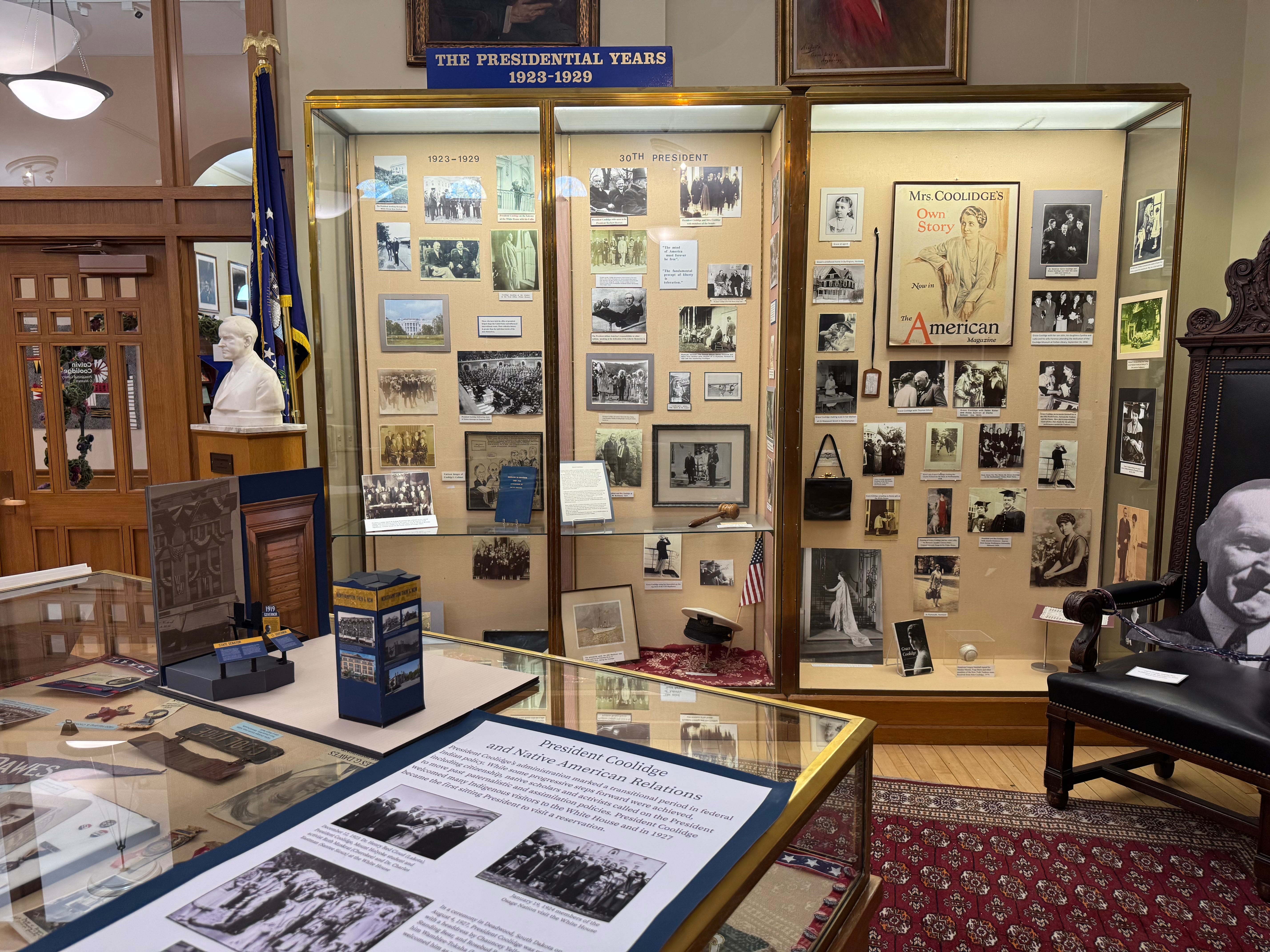
It is one room lined with old fashioned glass cases. There are a few tables, a few exhibits, including a mounted wall-eyed pike (“Caught in Lake Vermillion, near Tower, Minn”) and a contraption labeled as an “electric exercise horse” that looks like a cross between an oil drum and sewing machine. High on top of a metal filing cabinet sits an enormous elephant tusk with a card that reads, “Gift of Theodore Roosevelt, 1918.” The overhead lighting is a sallow yellow — a color I associate with the faded pages of old paperbacks and dioramas half-covered in dust. On this day, I’m the only visitor.
United States presidential libraries are strange things. FDR founded the first one in 1941 when he donated his presidential papers — and a chunk of his Hyde Park, New York estate — to the federal government. Until that point, the president’s papers were considered to be his personal property, and at the end of his presidency, he could do with them whatever he wished. He could destroy them. He could store them in a bathroom with a gold toilet and a chandelier.
In the wake of FDR’s gift, new legislation shaped the idea of the presidential library and how it should be managed. It became a tradition for departing presidents to voluntarily give their papers to the National Archives, who would administer the collections in partnership with privately funded presidential foundations and museums. And that worked pretty well… until Watergate.
In 1978, Congress passed a law declaring that the president’s papers relating directly to his duties were the property of the United States. They can be held in presidential libraries, but by law, they are part of, and must be administered by, the National Archives.
There are now sixteen presidential libraries that have been developed under these laws, one for every president since FDR. Not all of them have corresponding museums or presidential centers (Joe Biden, Donald Trump), but they eventually will.
(And no, I do not want to sit here and overthink myself into hysteria over the hypothetical golf course/casino/strip club/steakhouse that will eventually comprise the Trump Presidential Center Presented by Miller Light. All we know so far is that it’s planned for the city of Miami at some point in the future when we hopefully will still be a country.)
Rules for presidential document archives that predate FDR, however, don’t really exist. Those collections, due to the personal property law, are quite literally all over the place, though the Library of Congress fills a big part of this historic gap and acts as a more unofficial — but ceremonially appropriate — holder of presidential documents. It holds extensive collections of papers from Presidents Washington, Jefferson, Lincoln, and well beyond.
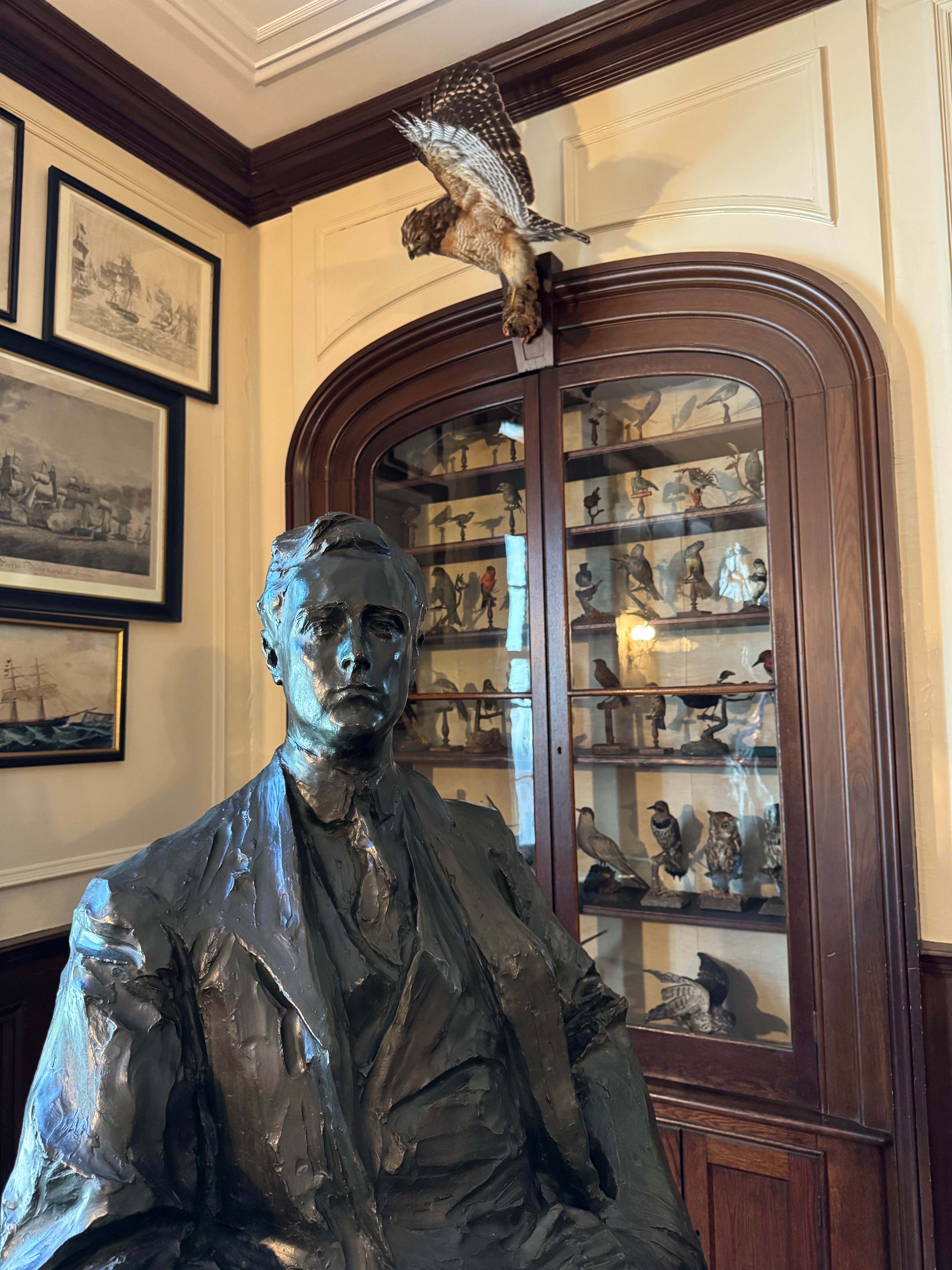
It is in this context — a world before there were laws about the keeping and administration of presidential papers — that the Calvin Coolidge Presidential Library and Museum, in Northampton, Massachusetts, exists. The collection is also unique in that Coolidge began assembling and donating it to the library while he was still serving as governor of Massachusetts. He chose its location — the town where he began his career and lived out his life — and included not just his papers, but memorabilia like the “electric exercise horse,” which Coolidge used in the White House to stay in shape. Official presidential portraits of Coolidge and his wife, Grace, which once hung in the White House, preside over this room and are its most visually arresting artifacts.


But even in this collection, and in Coolidge’s presidency, there seems to have been an understanding that a locally held collection of memorabilia and papers were different than presidential documents and correspondence that should be in Washington and easily accessible to — if not the property of — the American public. It’s not an accident that the largest collection of Coolidge’s presidential documents is not in Northampton. It’s at the Library of Congress.
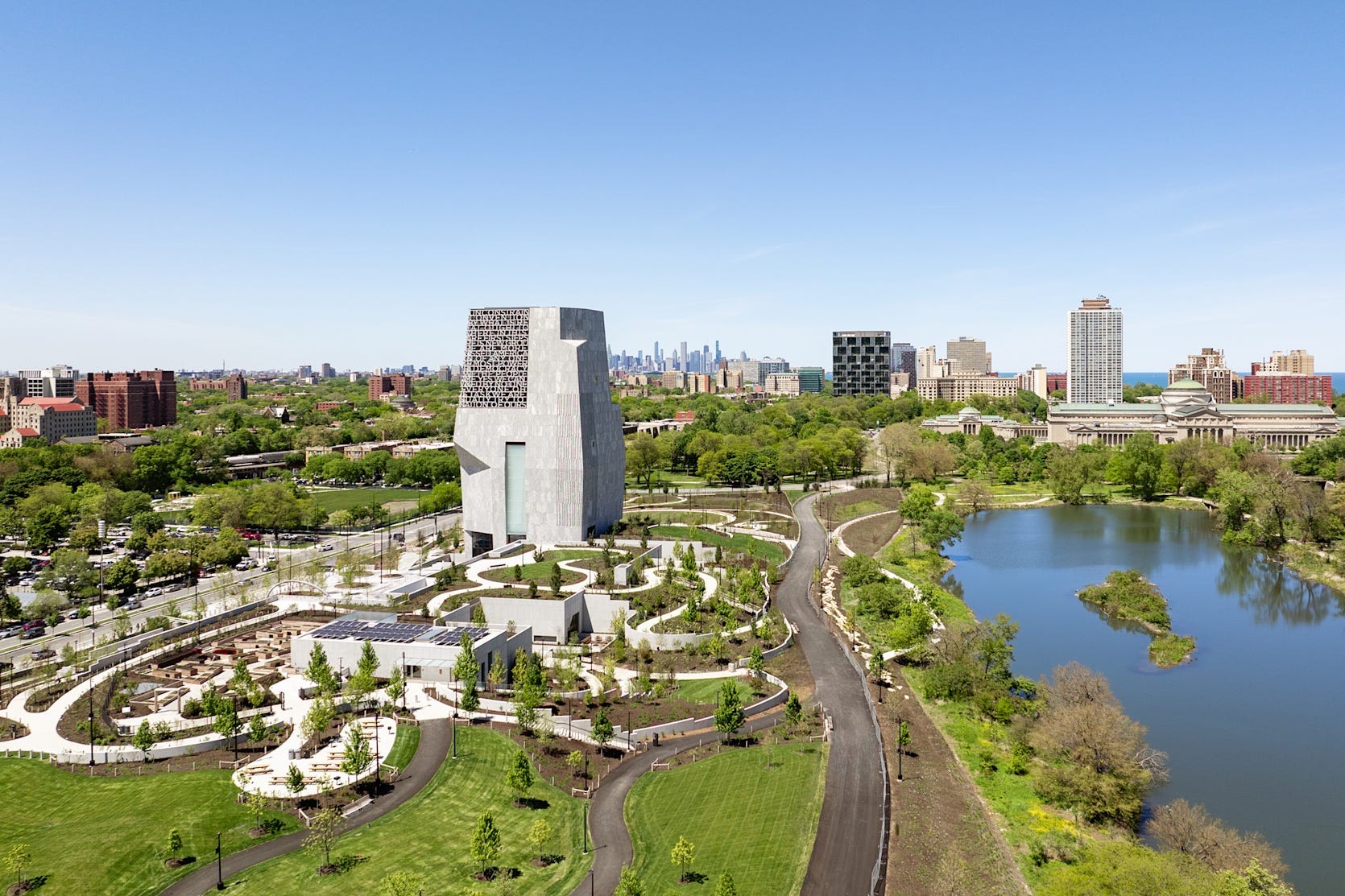
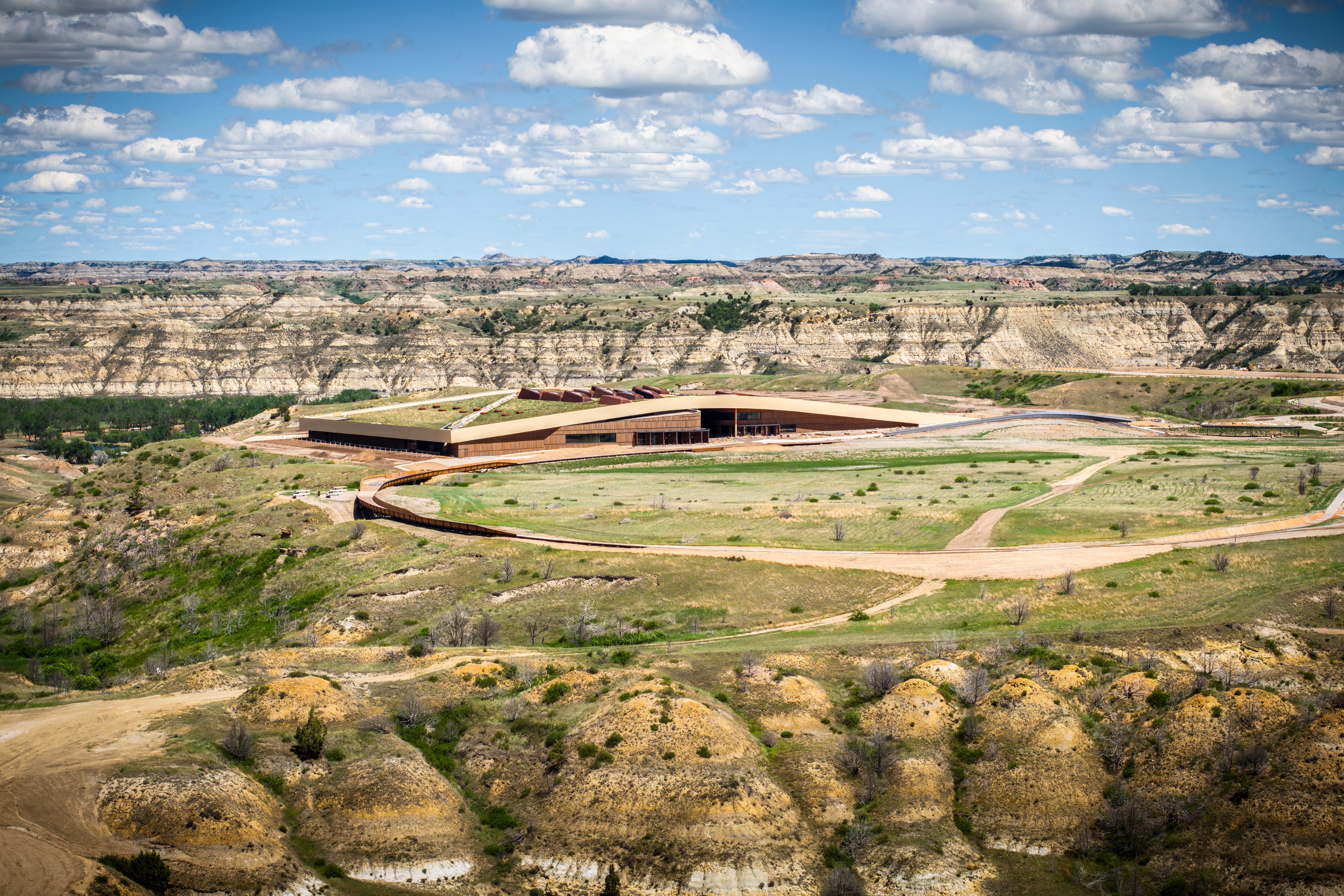
With all this in mind, consider two new presidential centers that are opening this year — the Barack Obama Presidential Center in Chicago, and the Theodore Roosevelt Presidential Library in Medora, North Dakota.
Neither of these is a true presidential “library” as outlined by the 1978 law. That is to say, these collections are not entirely comprised of duty-related presidential documents, and they are not administered by the National Archives. They are more like museums or commemorative monuments. In the case of the Obama Center, it is a community center, performance space, and art collection. It does have a library, but it’s a branch of Chicago’s public library system. Its holdings and mission reach far beyond the narrow legal definition of presidential libraries.
Of course, Obama is still legally bound to have a presidential library — that is to say, a collection of documents related to his presidential duties — that are the property of the American public. And it could be housed in the Obama Center in Chicago, but it’s not. Obama chose in 2017 to have a fully digital presidential library — a first for an American president. You can look at it right now if you want to.
As for Theodore Roosevelt, who was bound by no such laws concerning his presidential documents, his North Dakota library is more purely a learning center and museum. Essentially, it takes the new concept of presidential-center-as-museum — like the Obama Center — and applies it to a president from the more distant past. It’s cool, and it reflects a radically evolving idea of how to commemorate the legacy of an American president.
Of course, a former president like Barack Obama or Theodore Roosevelt warrants — and has the financial support for — a massive modern presidential center designed by A-list architects. Both are chock full of interactive screens and community programming and they are the result of herculean private fundraising efforts. Meanwhile, Calvin Coolidge gets one room in an obscure public library in Massachusetts. Its fundraising efforts, simply to create a nicer display for the room’s artifacts, have ground on for years. The combined powers of legacy, storytelling, and time, are powerful, if not absolute.
These rooms, be they online or in the middle of Chicago, enormous monoliths or one case of memorabilia, tell us so much about who we are and what we value as a nation. If you get the chance to see one of these places, personal politics aside, go. The law defines how much of a president belongs to the people, but the memory and reach of his presidency spills well beyond those easy boundaries. May we have the capacity to grasp at all of it.
