Japan: Art, Hot Springs, and Soft Serve
A Chugoku road trip, in a roundabout way...

If Honshu, the main island of Japan, is shaped like a banana – go with me, here – the bottom of the banana is Chugoku. A peninsula bracketed by the Seto Island Sea in the south and the Sea of Japan in the north, it is a whole other Japan than endless, restless Tokyo or neon-lit Osaka.
The streets of Okayama, a kind of gateway city to the region that has approximately the same population as Boston, feels downright sleepy during the week, the traffic ordered and leisurely along roads lined with car dealerships. Beyond it, there are green mountains and bright blue seas, moss-covered temples in the woods, and tiny hot springs towns in deep river gorges. To get into this region, you have to go all the way in.
We ping-ponged between Chugoku’s coasts so many times during our trip – most of it accomplished in multiple rental cars that somehow were all the same car, a boxy silver Honda – that it’s hard to recommend that anyone follow precisely in our footsteps. Instead, I’ve given you a kind of outline of what to see in this region. You can do it by car or by train, though the latter will require at least some connecting by car or bus.
Chugoku Roadtrip: In a Roundabout Way
Naoshima:
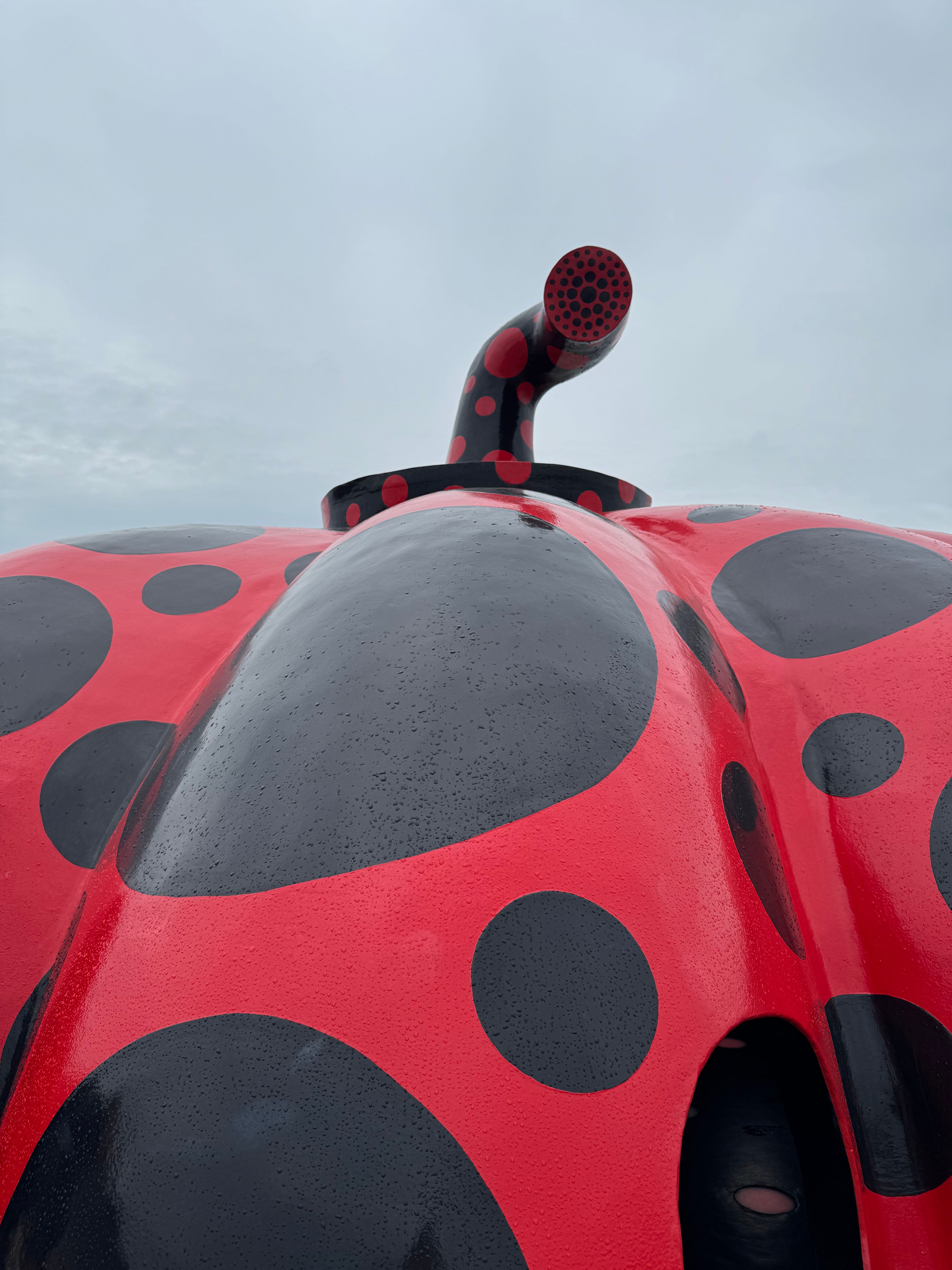
Why go: By now, Naoshima is well known as an international art destination. The colorful Yayoi Kusama pumpkins perched along its shores (one orange, one red) announce it as such before you even venture into the island’s dozen art museums. Each one is unique, and uniquely world class. Don’t plan on skipping any of them.
It’s hard to pick favorites when choosing between some of the greatest masterworks on the planet, but the Chichu Art Museum feels special. Built fully underground in cool concrete architecture by Tadao Ando, the museum is designed to channel light from above in astonishing ways. One gallery, which displays a series of large paintings by Monet, is lit entirely by natural light and the effect, upon entering the room, is heart-stopping. The water lilies in the paintings seem to float in a diffuse, almost misty light, evoking the conditions in which they were painted.
Getting there: The easiest way to get to Naoshima is from Chugoku. We took the 20-minute ferry – and stayed in a charming guest house – from the port town of Uno, which has its own seaswept charm. We took the car over on the ferry but this isn’t really necessary. Most visitors head to Naoshima on foot.
Note that you can do Naoshima in a single day, but I don’t recommend it. Take two days to really enjoy, especially because, art aside, the island itself is beautiful and worth a wander.
Naoshima Checklist:
Nearby: The day before we headed out to Naoshima, we strolled around Kurashiki, a historic Edo-era canal town that was once an important shipping center for rice.
Notebook: Japan Coffee Shops

This is my Japan coffee shop list. It is neither completist (meant to cover everything) nor complete (finished). It’s just stuff I like.
Matsue:
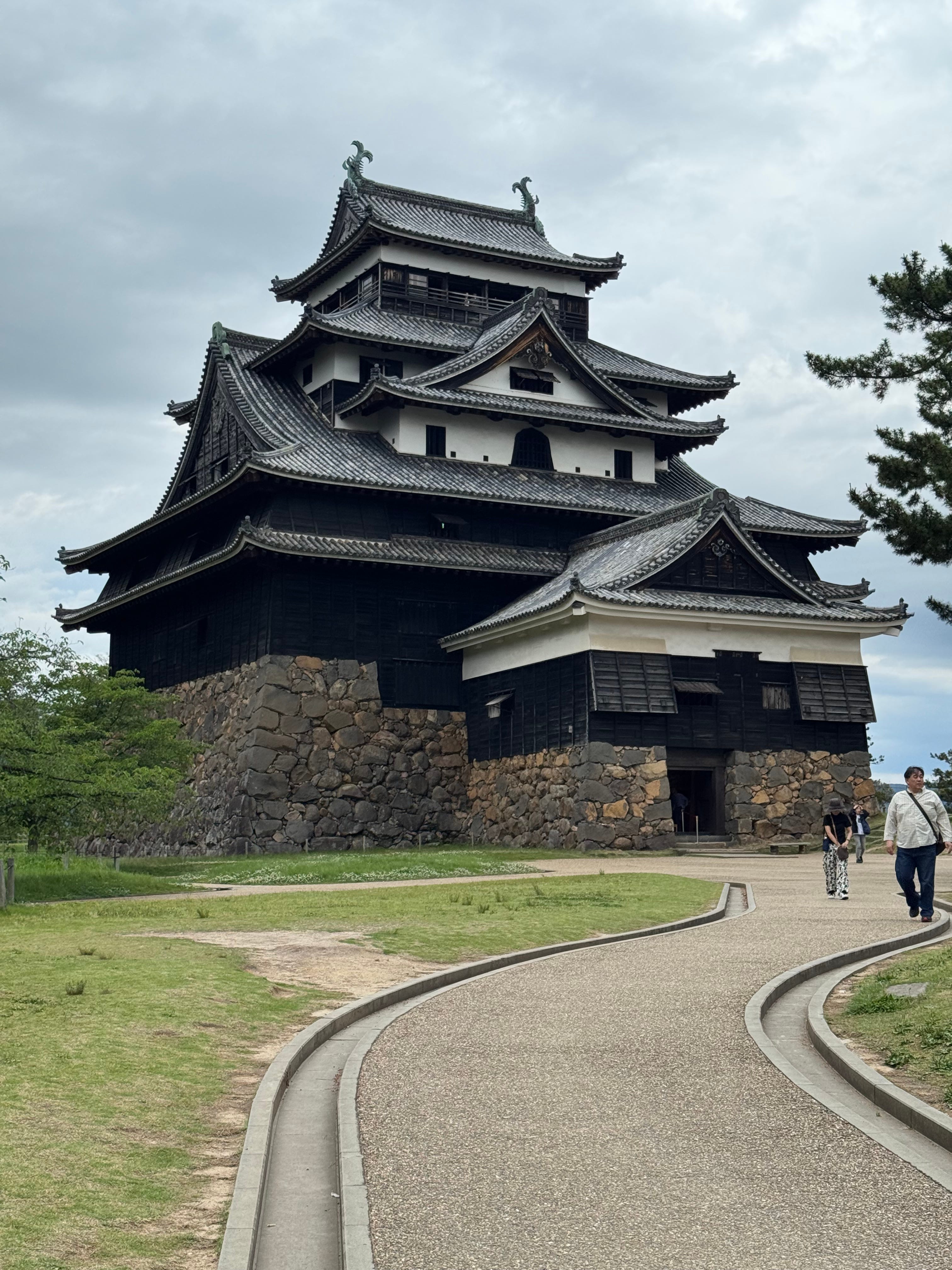
Why go: It’s worth visiting this small city on the Sea of Japan just to see the castle. Dating back to 1611, it’s one of only eleven in Japan that are fully original and not re-creations. Climb all the way to the top and follow the exhibits to get a sense of how shogun-era Japan armed and defended itself. Keep an eye out for the window flaps that allowed soldiers to drop stones on their enemies. When we visited in late spring, nests in the surrounding trees were full of squawking heron chicks.
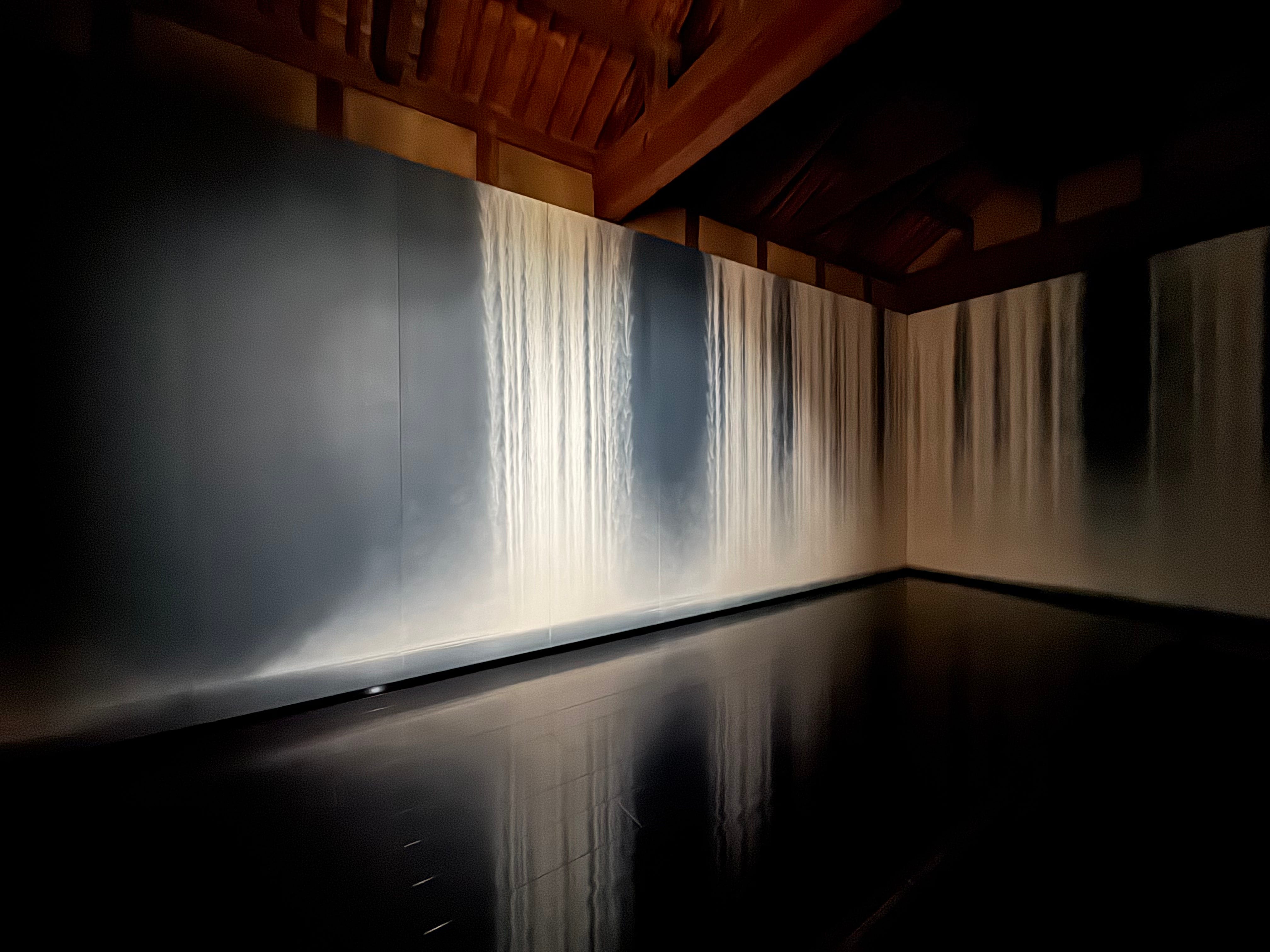
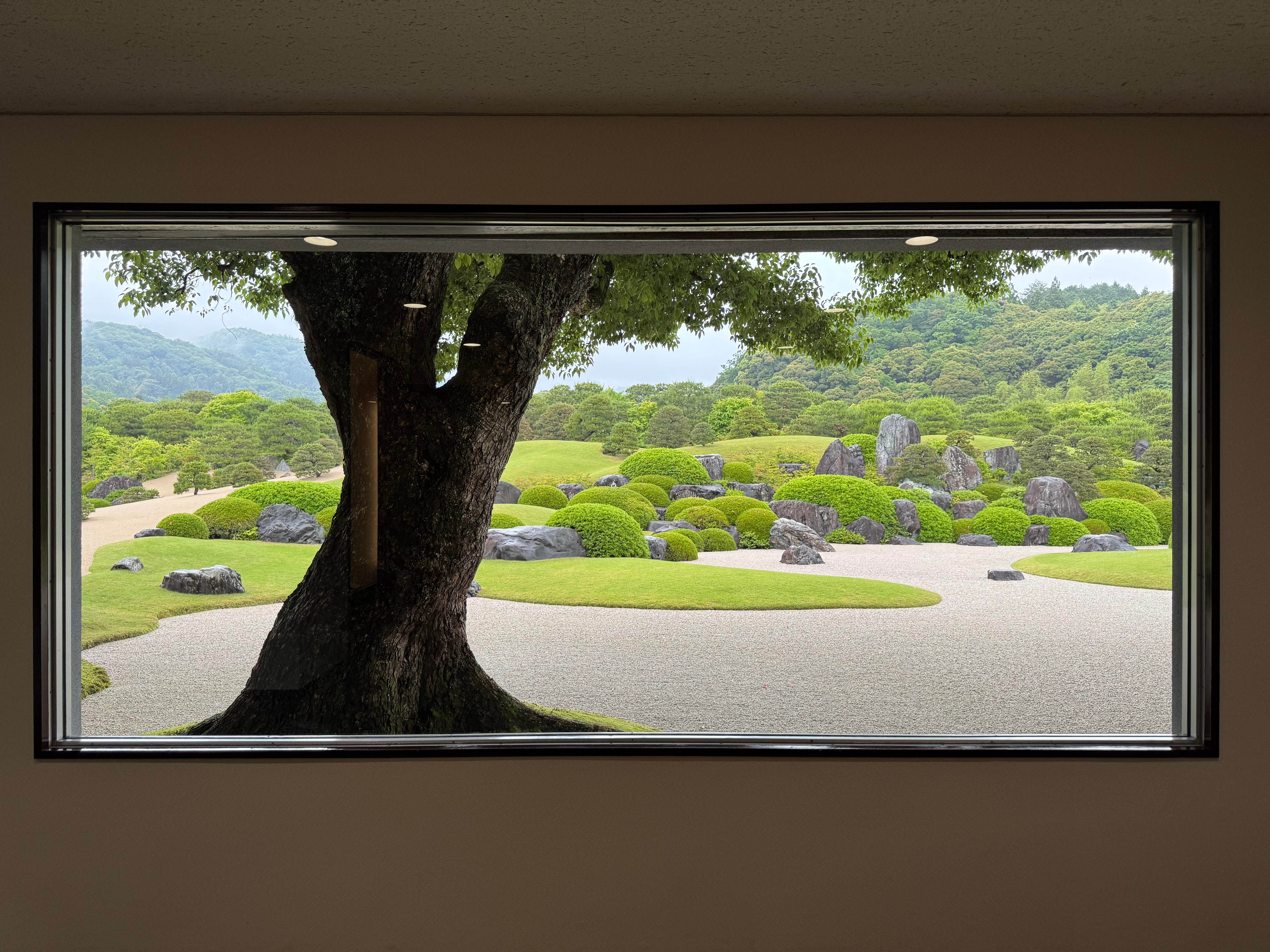
Save time for the Adachi Museum of Art in nearby Shimane, where you can view a splendid traditional Japanese garden, plus hundreds of Japanese artworks. The museum has an interesting organization that puts the art galleries at the center of the building and the glass garden-viewing rooms on the edges. This was one of my favorite stops on the trip.
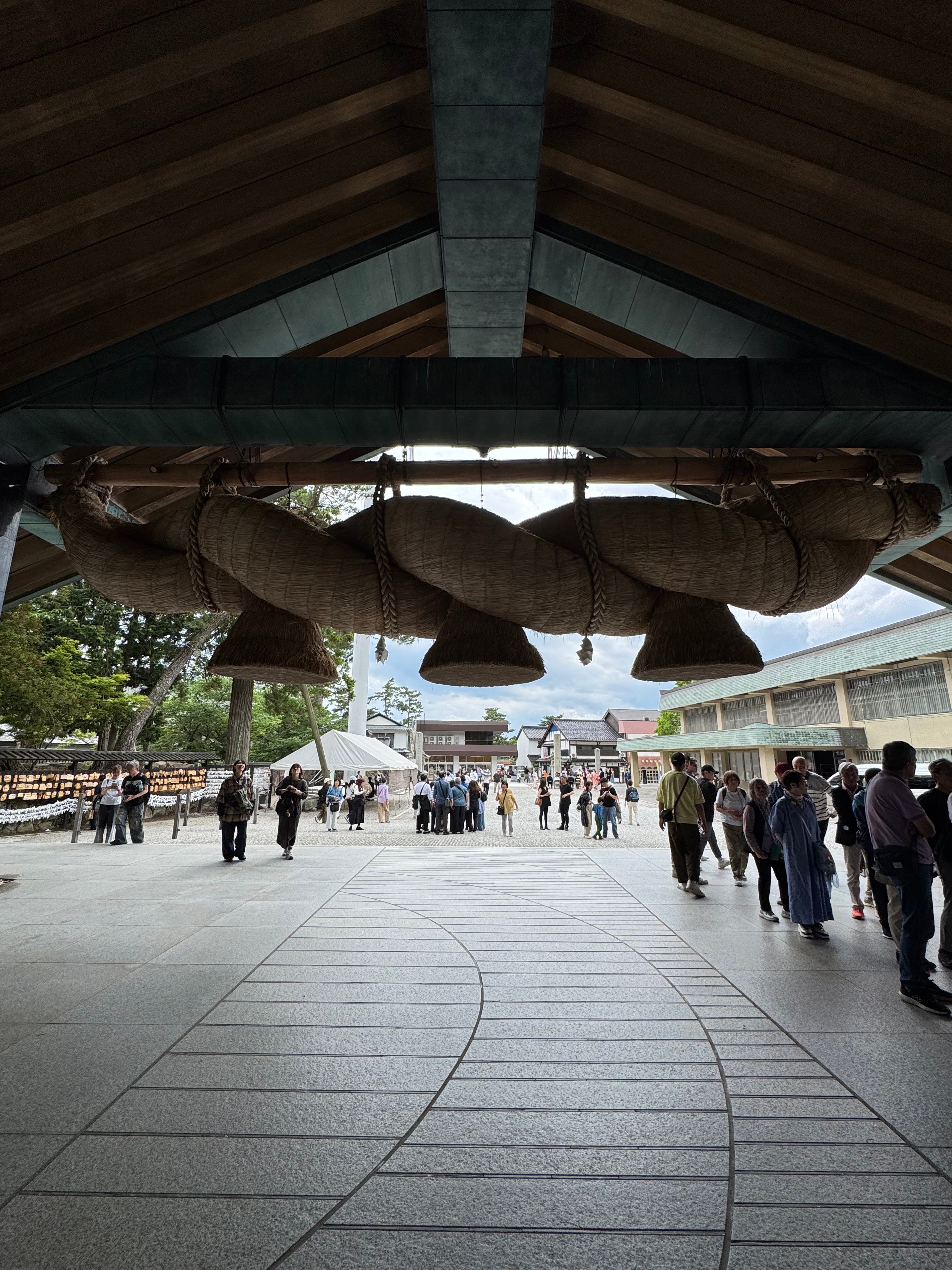
Finally, you can’t come to Matsue without stopping by Izumo-taisha, which is thought to be the oldest Shinto shrine in Japan. Its most eye-catching feature is its shimenawa – the sacred straw rope that spans the entrance of many shrines. The shimenawa here is more than 44 feet long and weighs five tons.
Getting there: Matsue is reachable by both local train and Shinkansen from Osaka or Kyoto. The trip takes 4-6 hours, depending on your route. You can drive it in a little over four hours. If you’re coming here from Naoshima either by car or train, the trip also takes about four hours.
Matsue Checklist:
Nagato:
Why go: There is no occasion that doesn’t warrant a soak in very hot water with no clothes on. And a little towel on your head.
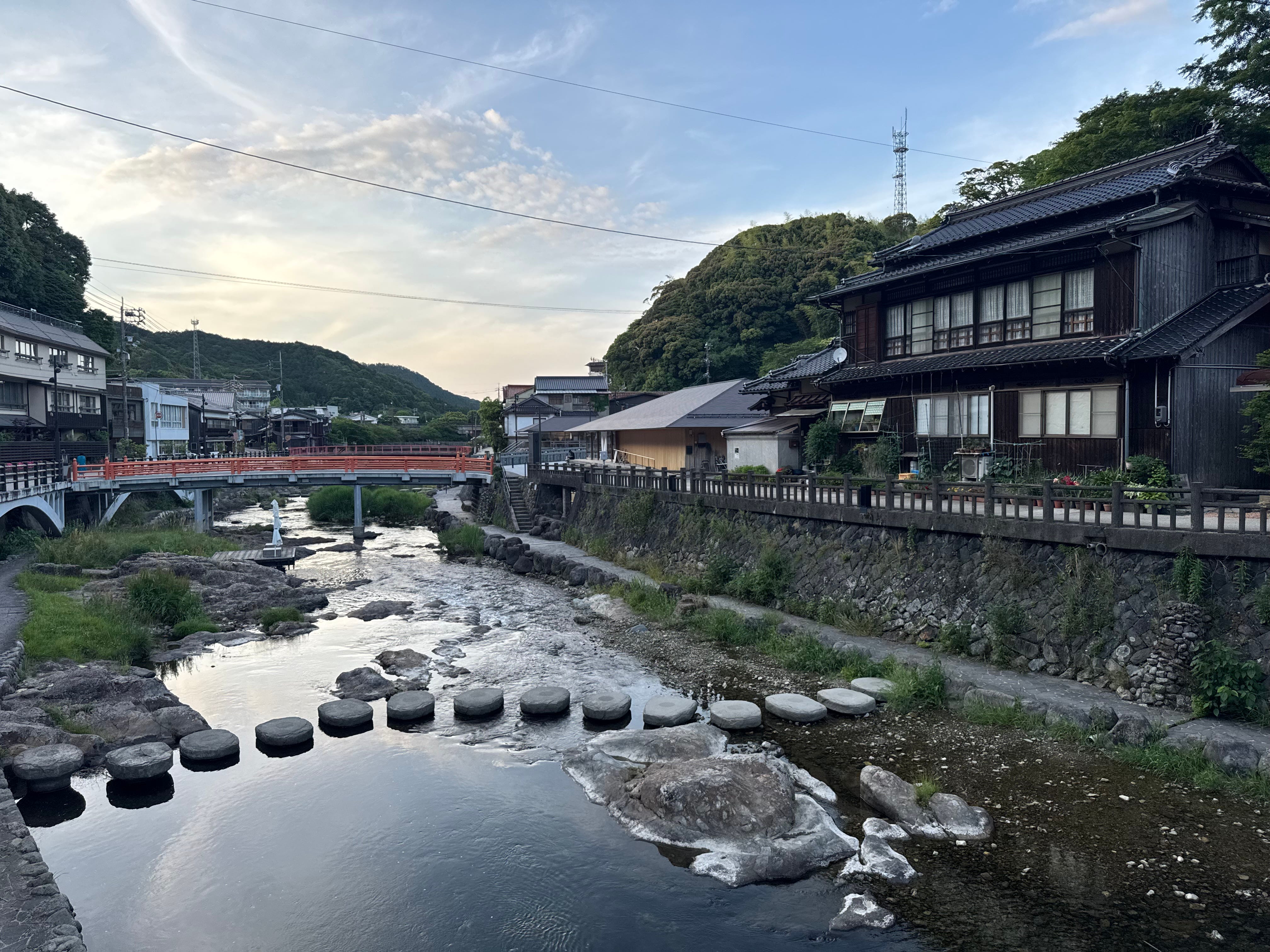
We ventured into the hot springs town of Nagato-Yumoto Onsen, which is set along a river that’s been developed into a park. Open, meticulously maintained public spaces invite you to sit, relax, and ponder the surrounding nature. There’s seating, stepping-stone river crossing points, foot baths, and vistas where you’ll want to stop and take photos. Some of the onsen – individual bath houses – are open late, and the town is lovely when it’s lit in the evening.
A few minutes from the town center, we visited a 15th century soto zen temple called Dainei-ji (Tainei-ji), which is tucked back into the woods and feels like a fairytale with its original stone bridges and moss-covered stones. The temple is also the final resting place of the Ouchi clan, which ruled western Japan in the 16th century.
Getting there: Nagato is about 2-2.5 hours from Fukuoka, whether driving or taking the train. You’ll definitely need a car to get to Tsunoshima, mentioned below.
Nagato checklist:
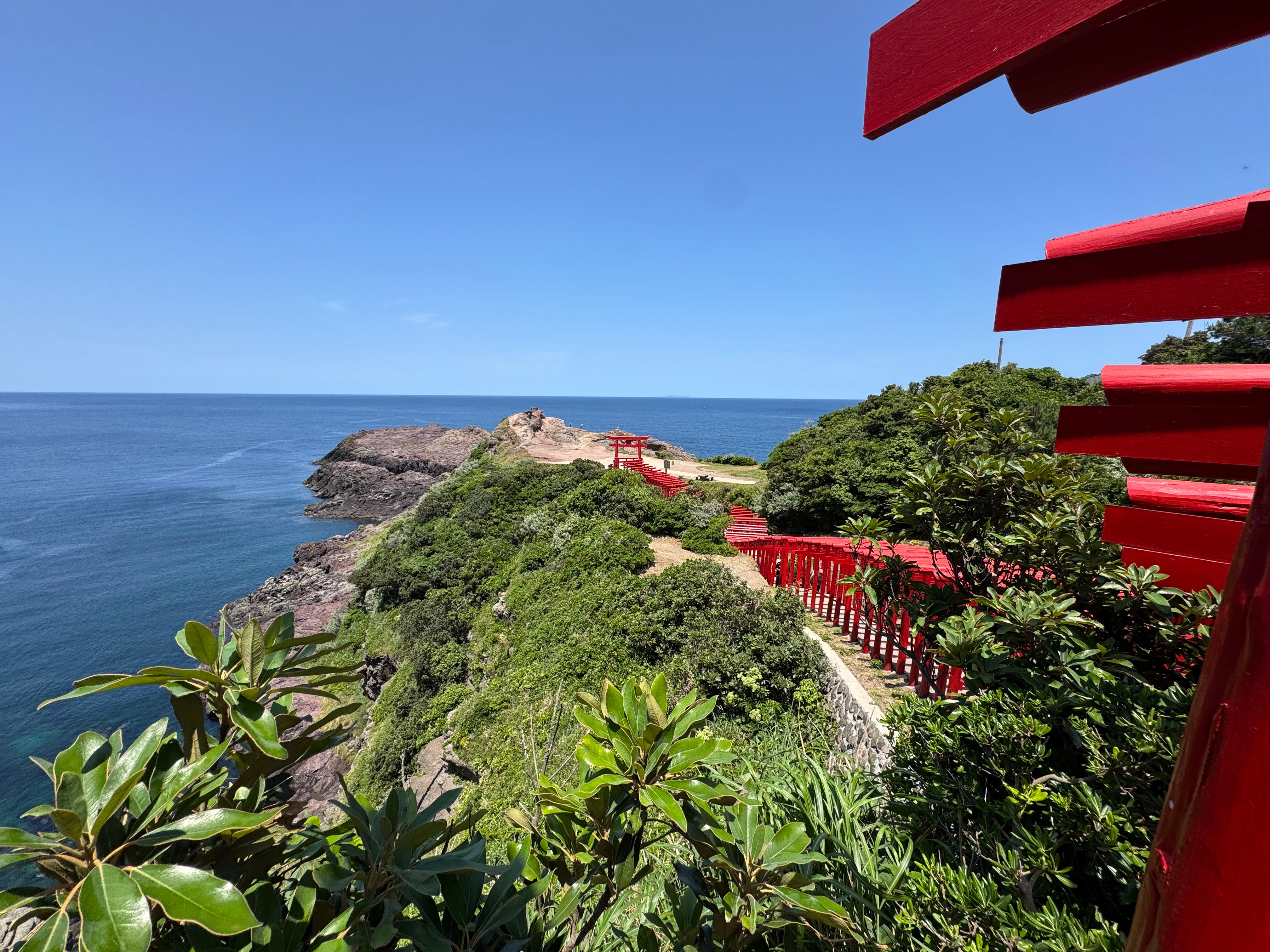
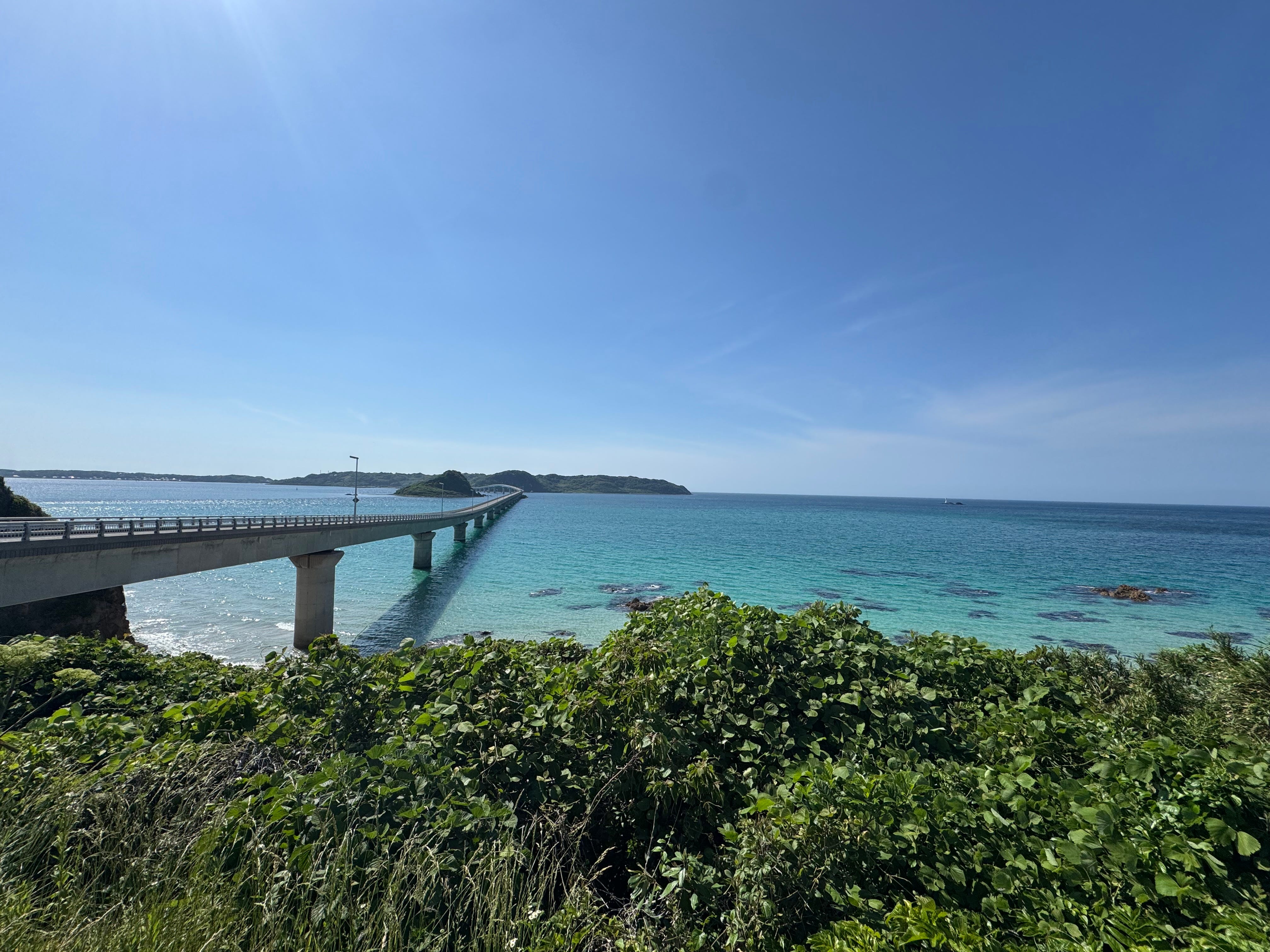
Nearby: We took a rambly little day trip farther down the coast toward Yamaguchi to see a cluster of smaller sites that came with some incredible scenery. We started at the very Instagrammable Motonosumi Shrine, with its rows of vermillion gates curving down a mountainside to the sea. (Check the shrine’s opening hours, which are limited.) We also crossed the long bridge to Tsunoshima island, which is surrounded by bright blue water and has a lighthouse and some pretty lookout points.
Tips for a Japan Road Trip:
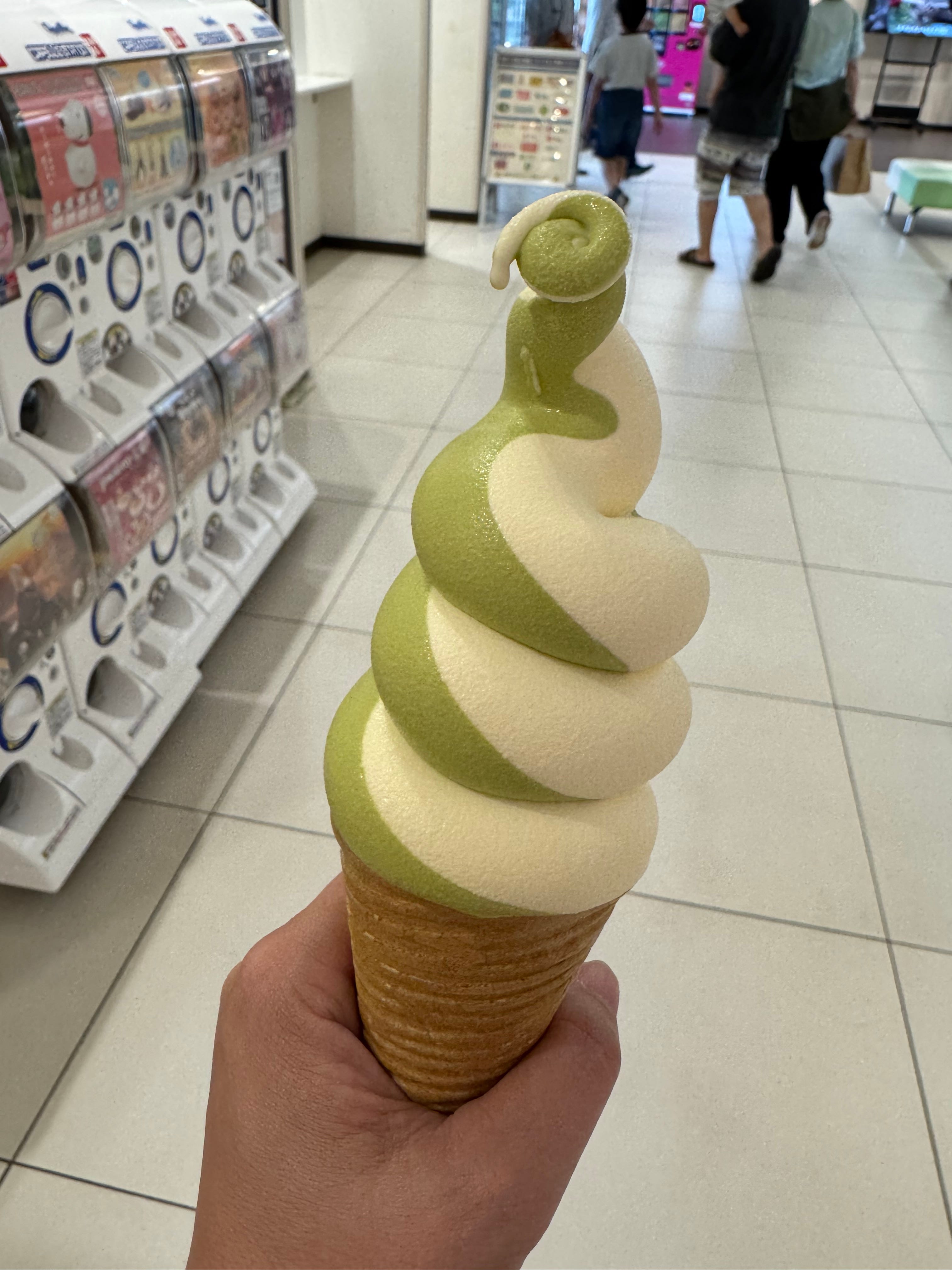
Highway rest areas in Japan are amazing. Yes, there are clean bathrooms and gas, but the food selection is always tops. Two of the best things I tried on this trip – a vending machine iced latte (!), and a matcha/vanilla swirl soft serve – were procured at rest stops.
If you collect ink stamps (I obviously do), remember that rest areas often have their own.
This trip marked my introduction to Michi no Eki, a special kind of roadside stand that carries local products and gifts, including local specialty food and produce. I tried citrus I’d never seen before and got fun souvenirs.
If you can’t find the USB connector in your car, check inside the glove box.
Some parking lots in Japan have gates that block your car from reversing out of parking spots until you pay for your parking. Pay before you try to leave or you could seriously mess up your tires.
Visitor information centers are everywhere in Japan, even in small towns. Use them! You can pick up maps, learn about local events, and even ask for restaurant recommendations.